
Retail
Human ressources and workforce
07 April 2026

Developing Organizational Intelligence in Retail 

By

Julie Lajoie, CHRP | Joie conseils

Julie Lajoie, CHRP | Joie conseils

As an HR strategist and dynamic trainer, Julie brings over 20 years of experience in talent acquisition, mobilization, and retention. While her interests are vast, she is particularly passionate about innovation and developing initiatives focused on healthy performance.

Julie also collaborates with various media outlets and professional organizations, such as the Ordre des CRHA (Quebec’s HR association) and the QG100 Network. Her mission? To help SMEs optimize their organizational performance through a more strategic approach to human resources.
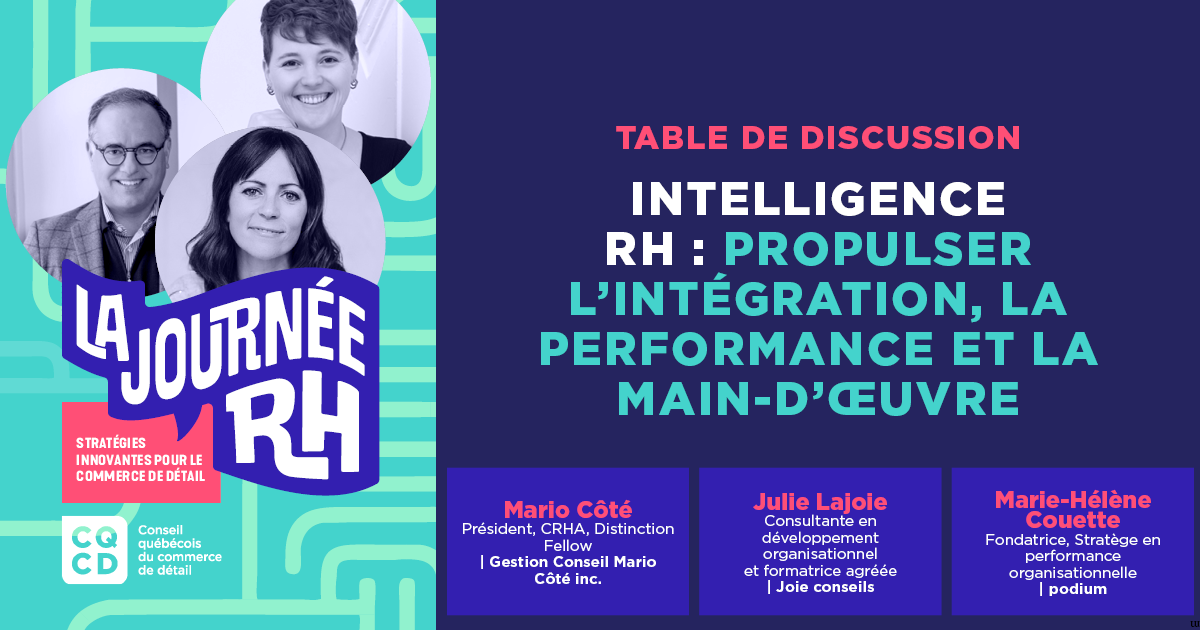
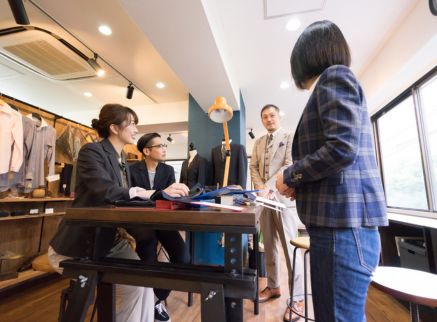
HR Day 2026 – Innovative Strategies for Retail

On April 23rd, don’t miss Julie Lajoie’s lunchtime table discussion at HR Day 2026. Come learn how to develop organizational intelligence within your company!

Organized by the Retail Council of Quebec (RCQ), this event features a series of conferences and activities focused on top HR practices in the retail sector. Register now!

Developing Organizational Intelligence in Retail

In the retail industry, organizations face constant pressure: increasing competition, tight margins, digital transformation, high customer expectations, and labor shortages, just to name a few.

In this context, many companies are turning to artificial intelligence to improve their operations. But is it the only path to better performance? Certainly not.

While artificial intelligence can help enhance certain practices, it represents only one facet of a broader reality that organizations must consider: organizational intelligence.

Here are a few avenues worth exploring:

Human Intelligence: Developing The Skills that Make The Difference

In retail, performance relies heavily on in-store teams. They are the ones who shape the customer experience, service quality, and the brand’s reputation.

However, the skills required are evolving rapidly. As highlighted in the article Future Skills: The Great Disruption published in Gestion Magazine, organizations will need to place greater emphasis on human capabilities such as critical thinking, adaptability, and collaboration.

In other words, organizations must go beyond purely technical training and invest in the development of sustainable skills that better prepare employees to navigate the complexity of everyday work.


Questions to consider:

Questions to consider:

  • Do managers have the skills required to develop their teams?
  • Do the training programs offered reflect the realities experienced in stores?
  • Do managers have the time and tools they need to fulfill their role as coaches?

Data Intelligence: Understanding Better to Act Better

Retail organizations collect an impressive amount of customer data, but what about HR data?

Digital human resources management tools now offer organizations new opportunities to analyze trends and support decision-making, enabling a shift from reactive management to a more proactive approach.

Possible actions include:

  • Analyzing employee turnover data to identify root causes and develop action plans.
  • Tracking changes in team engagement levels.
  • Identifying the factors that influence employee retention.

Process Intelligence: Optimizing the employee and manager experience

In many organizations, managers must deal with numerous administrative processes: scheduling, recruitment, training, performance reviews, and more.

When these processes become too heavy or poorly aligned with operational realities, they can quickly become a significant source of frustration for teams. Conversely, well-designed processes can directly improve the employee experience and, by extension, the customer experience.

In fact, research published in Harvard Business Review suggests that organizations that significantly improve their employee experience could increase their revenues by more than 50%.

Questions to consider:

  • Are our HR processes aligned with operational realities?
  • Could certain administrative steps be simplified or automated?
  • Do current processes truly support managers in their work?

Cultural Intelligence: Creating Meaning and Consistency

Organizational culture plays a critical role in team engagement. When it is clear, shared, and embodied in everyday actions, it becomes a powerful strategic lever to align behaviors, support change, and guide actions toward organizational priorities.

Key elements to consider:

  • Managers embody the desired culture in their daily practices.
  • The employee experience is consistent from one store to another.
  • Recognition programs reinforce and celebrate expected behaviors.


In conclusion, artificial intelligence will certainly transform the retail industry in the coming years. However, the real differentiator will lie in organizations’ ability to mobilize their teams, optimize their practices, and create a work environment that is coherent and meaningful.

Events

Discussion Tables / HR Intelligence: Boosting Onboarding, Performance, and Workforce Management